Aurora Miu
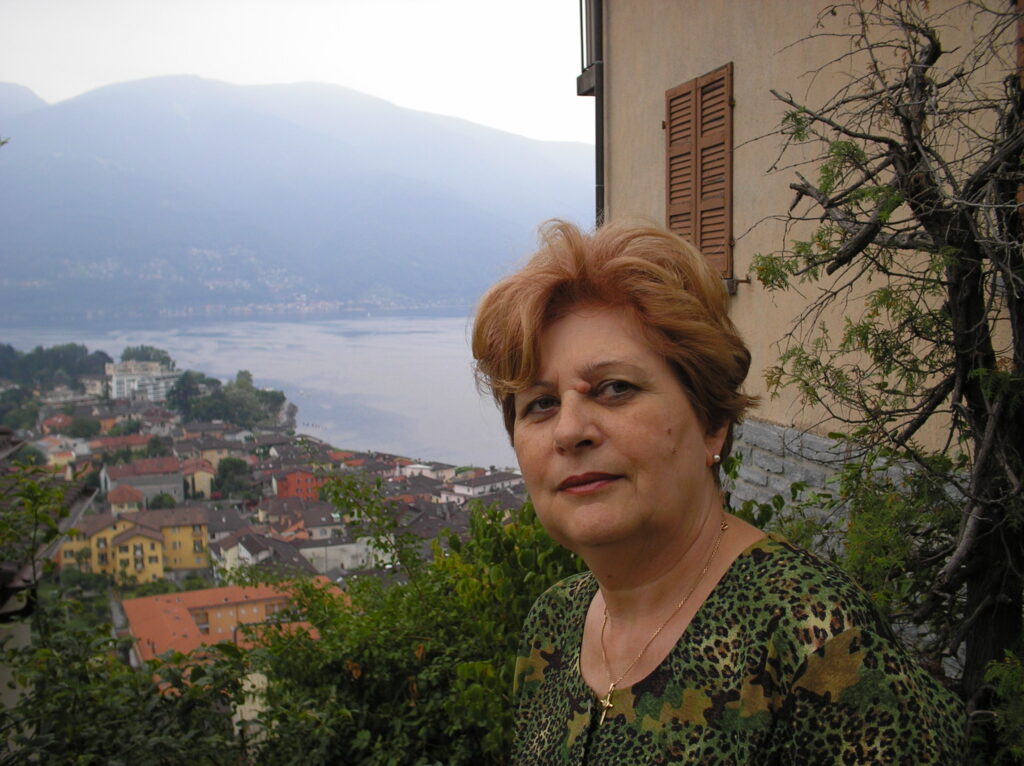
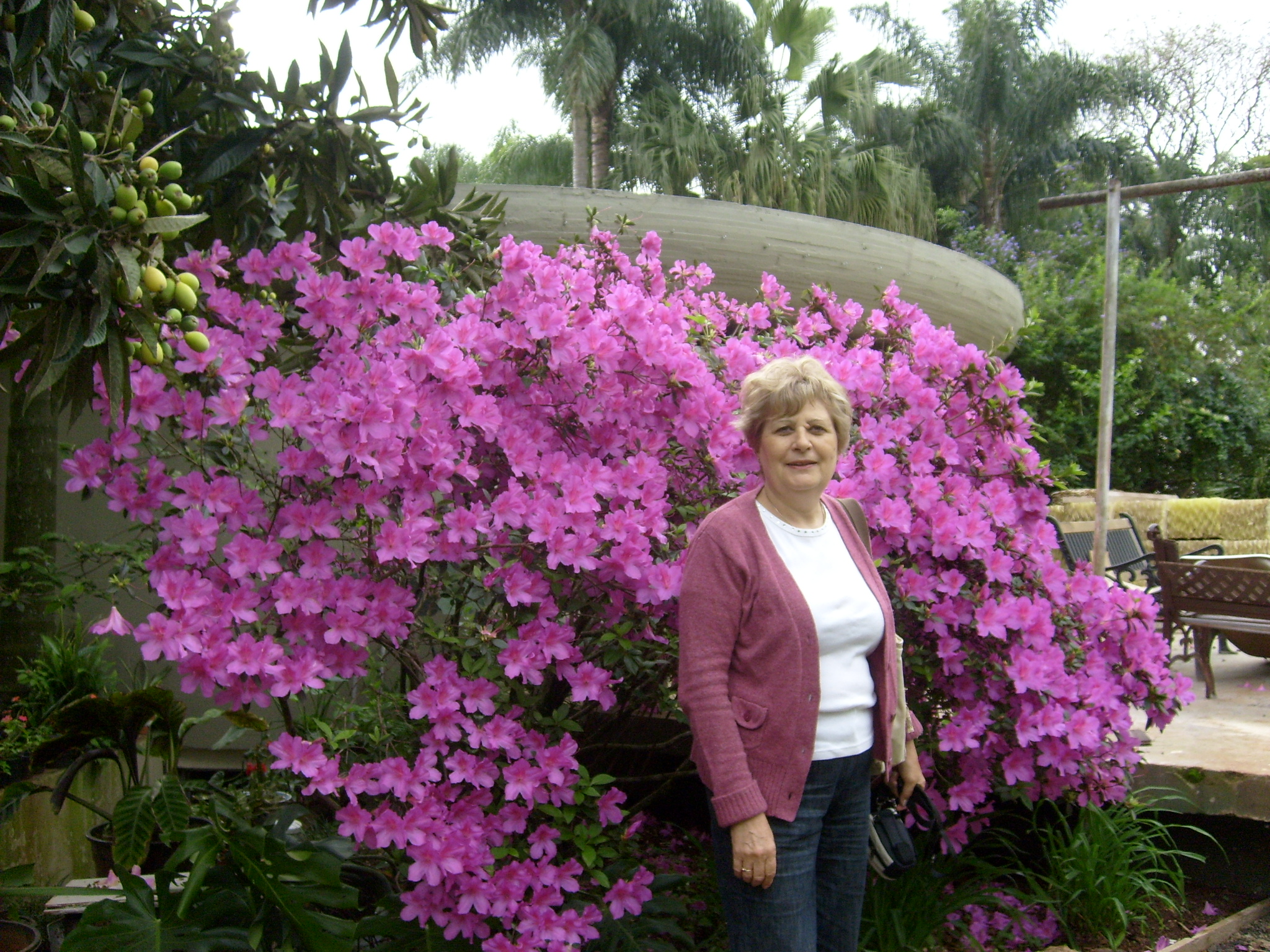
Aurora Miu, MD (1943–2011)
Roots in Brașov
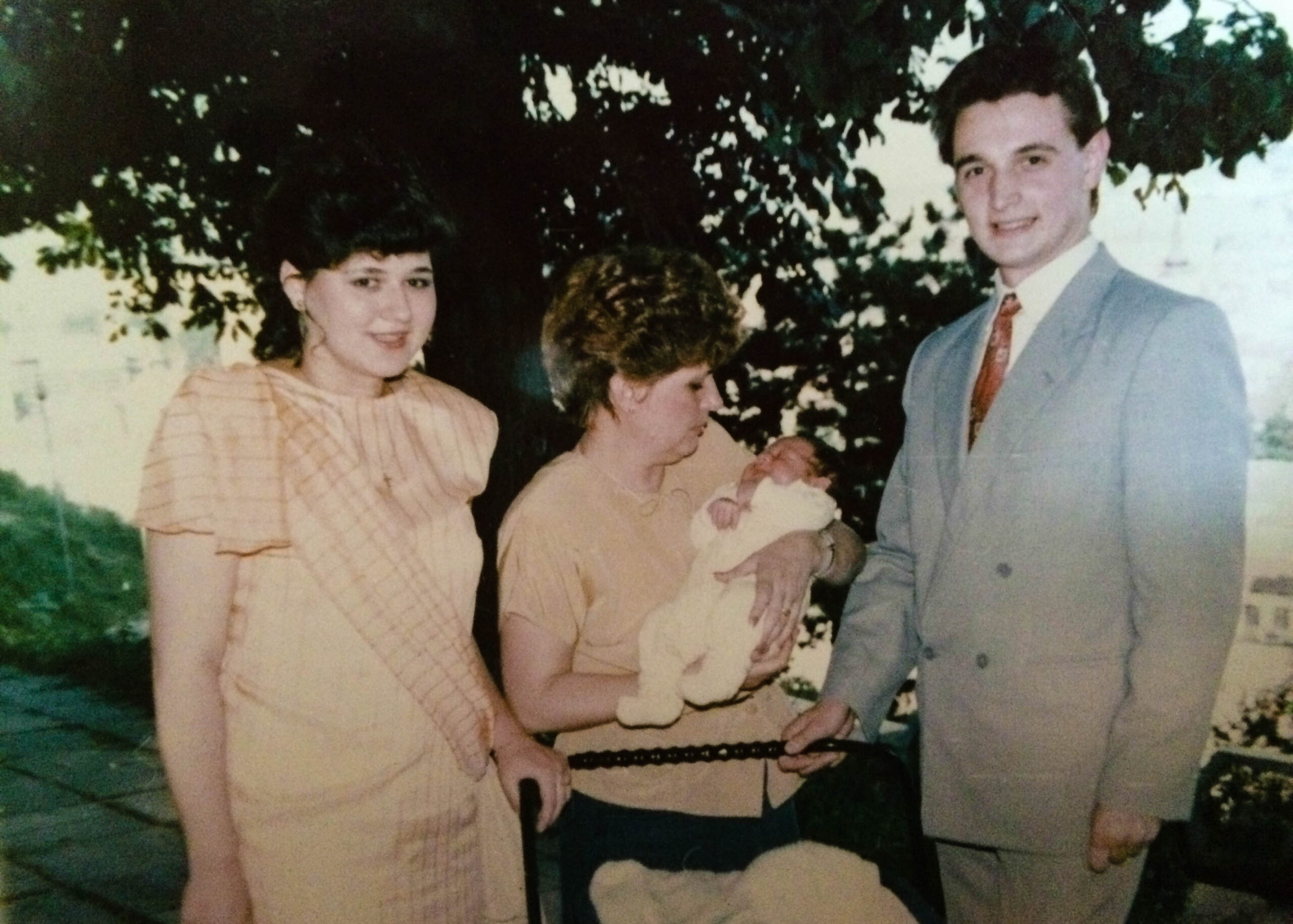
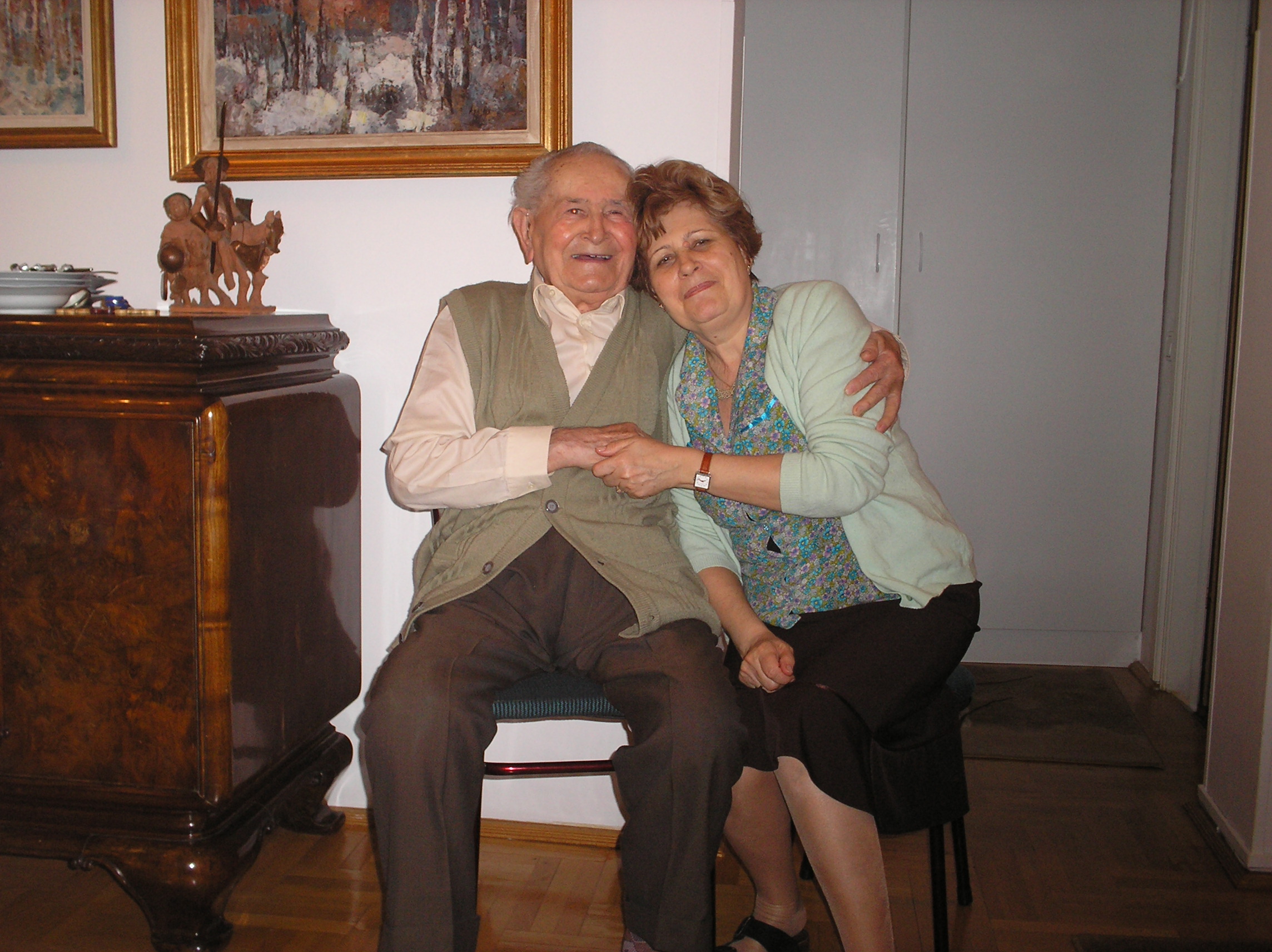
Aurora Mareș—or Aura, as she was called—was born on December 10, 1943, in Brașov, into a family where seriousness and care for education were self-evident values. Her father, Vasile Mareș, an aviation engineer, was a man of rare longevity and integrity; he would live to the age of 93, and Aurora, the devoted daughter, would care for him with the same naturalness with which she cared for everyone around her. Her mother, Jenica, passed away earlier, at only 62, leaving a void that Aurora felt deeply. Her younger brother, Mircea, completed the picture of a united family, where affection and responsibility were conveyed without grand words.
She attended high school in Brașov, where she formed the practical and disciplined spirit she would carry throughout her life. Then, she came to Cluj, to the Institute of Medicine and Pharmacy—a step that would change not only her career but also her destiny.
The Meeting with Nicolae Miu
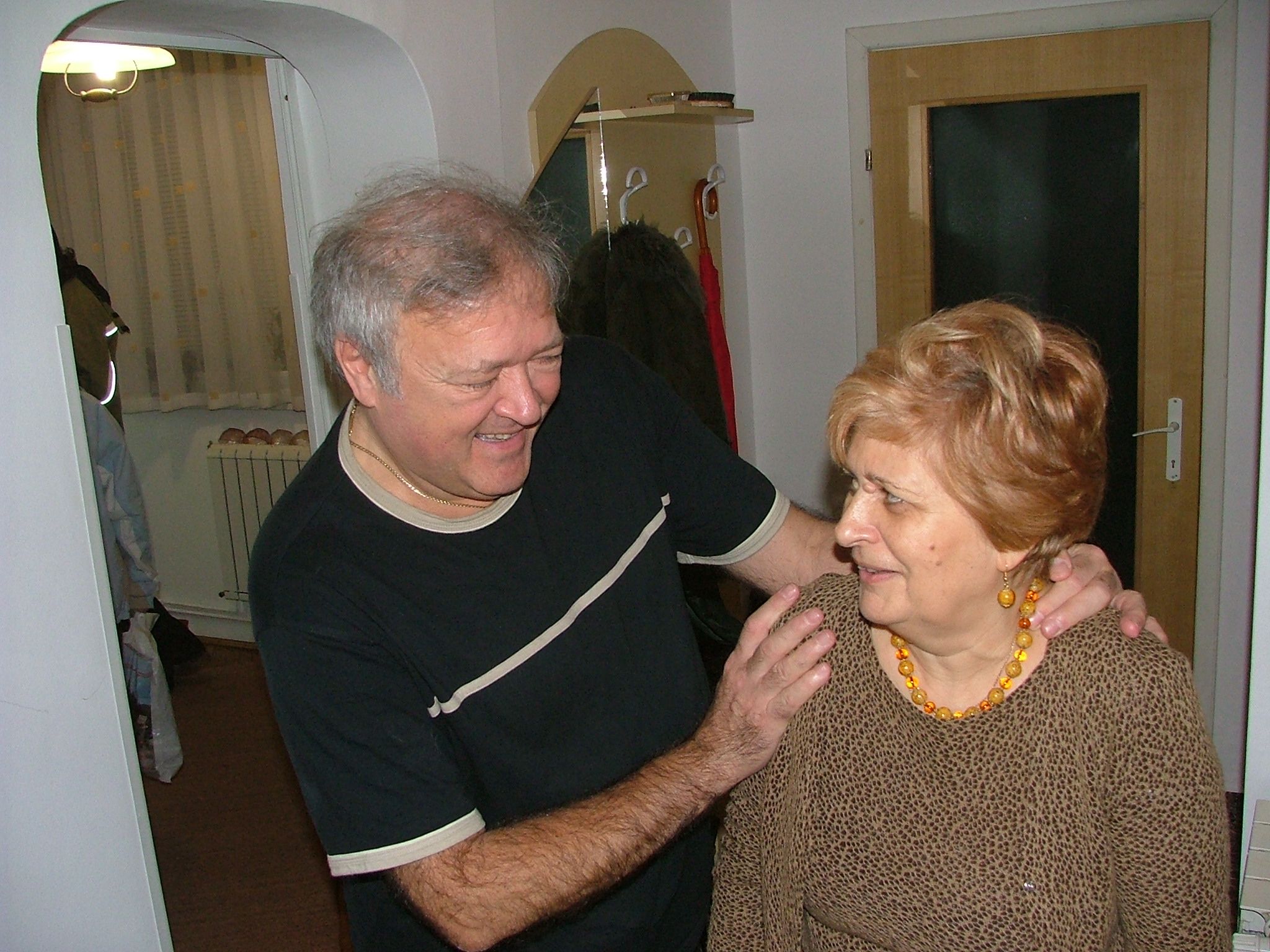
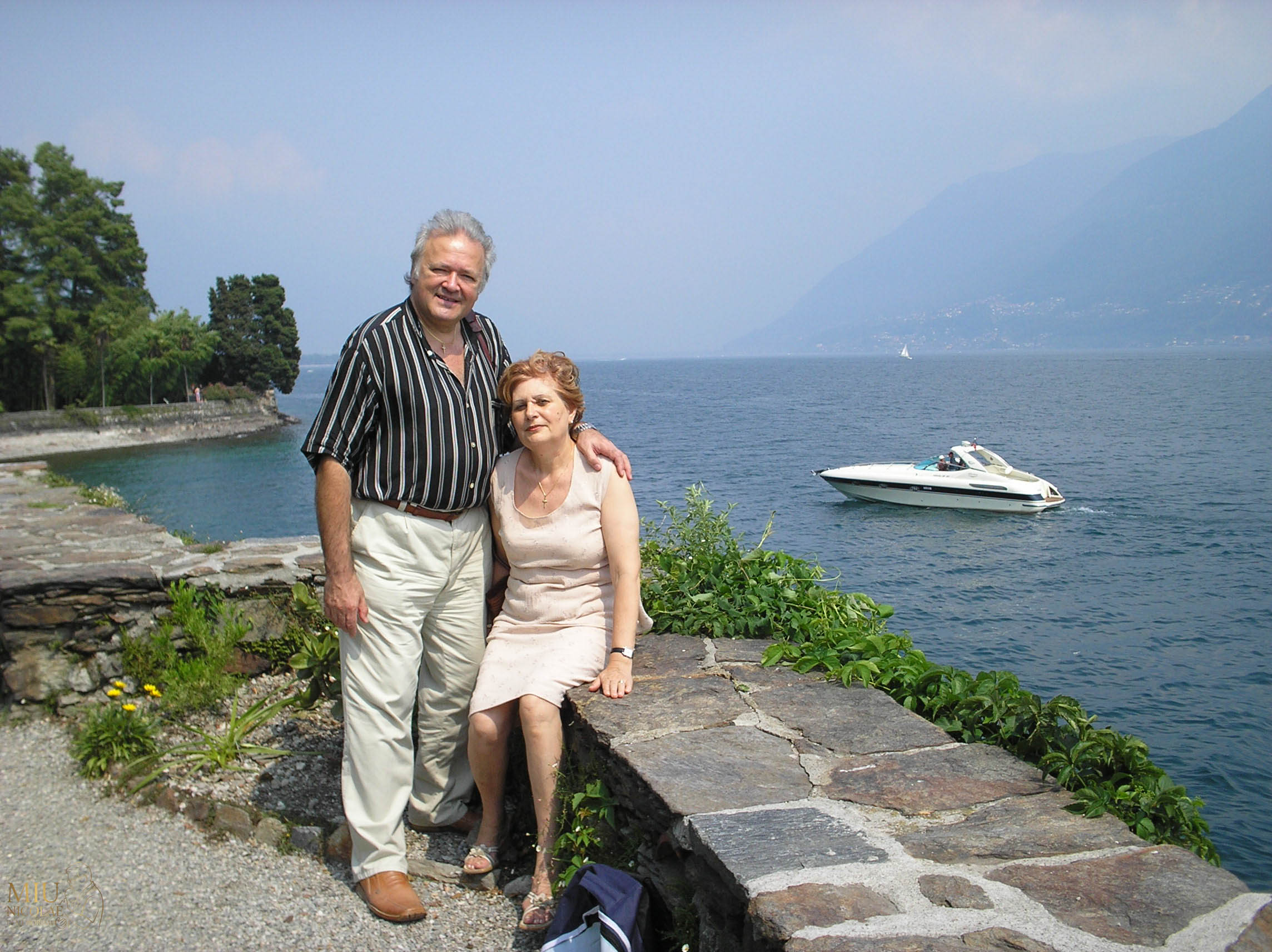
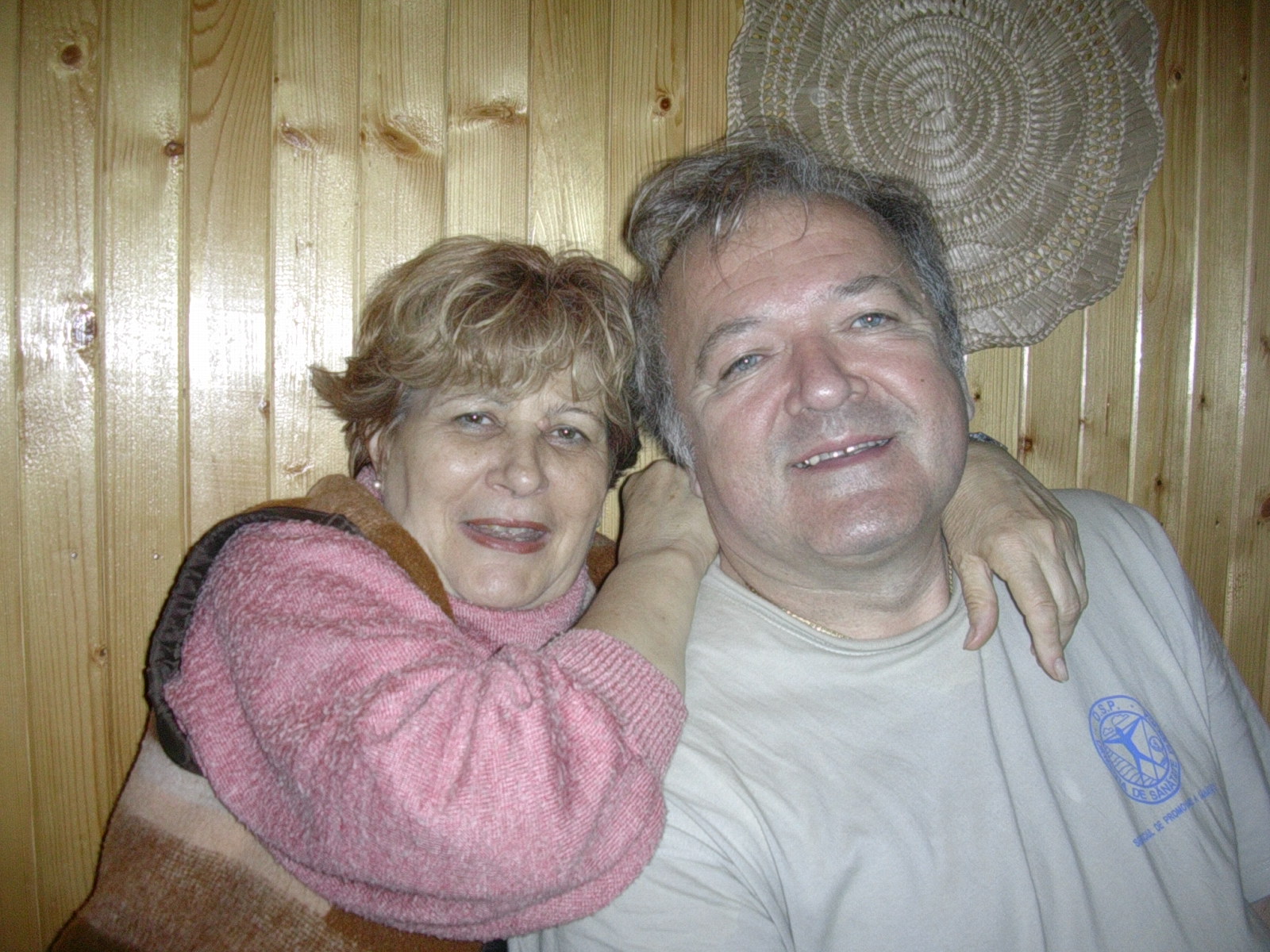
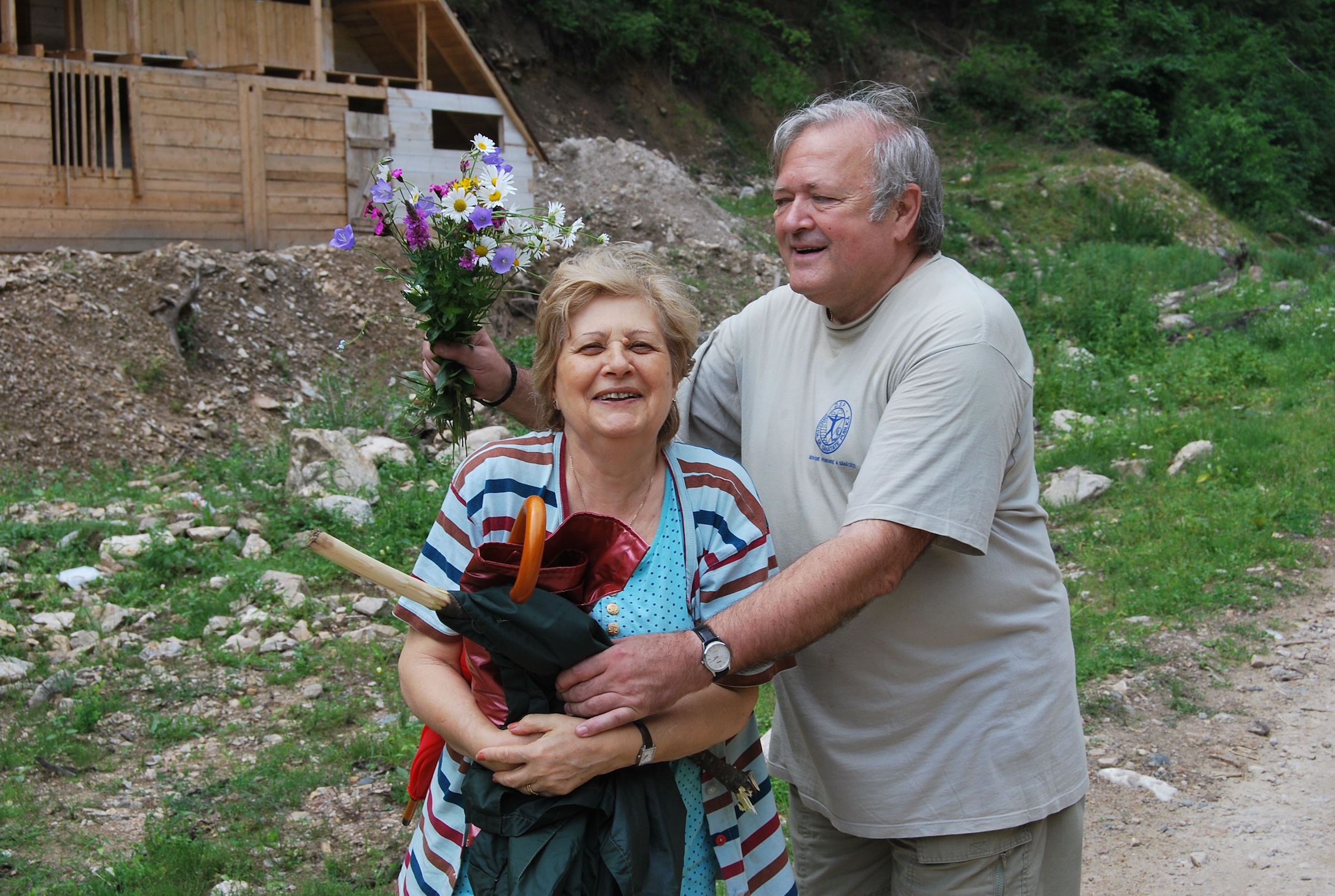
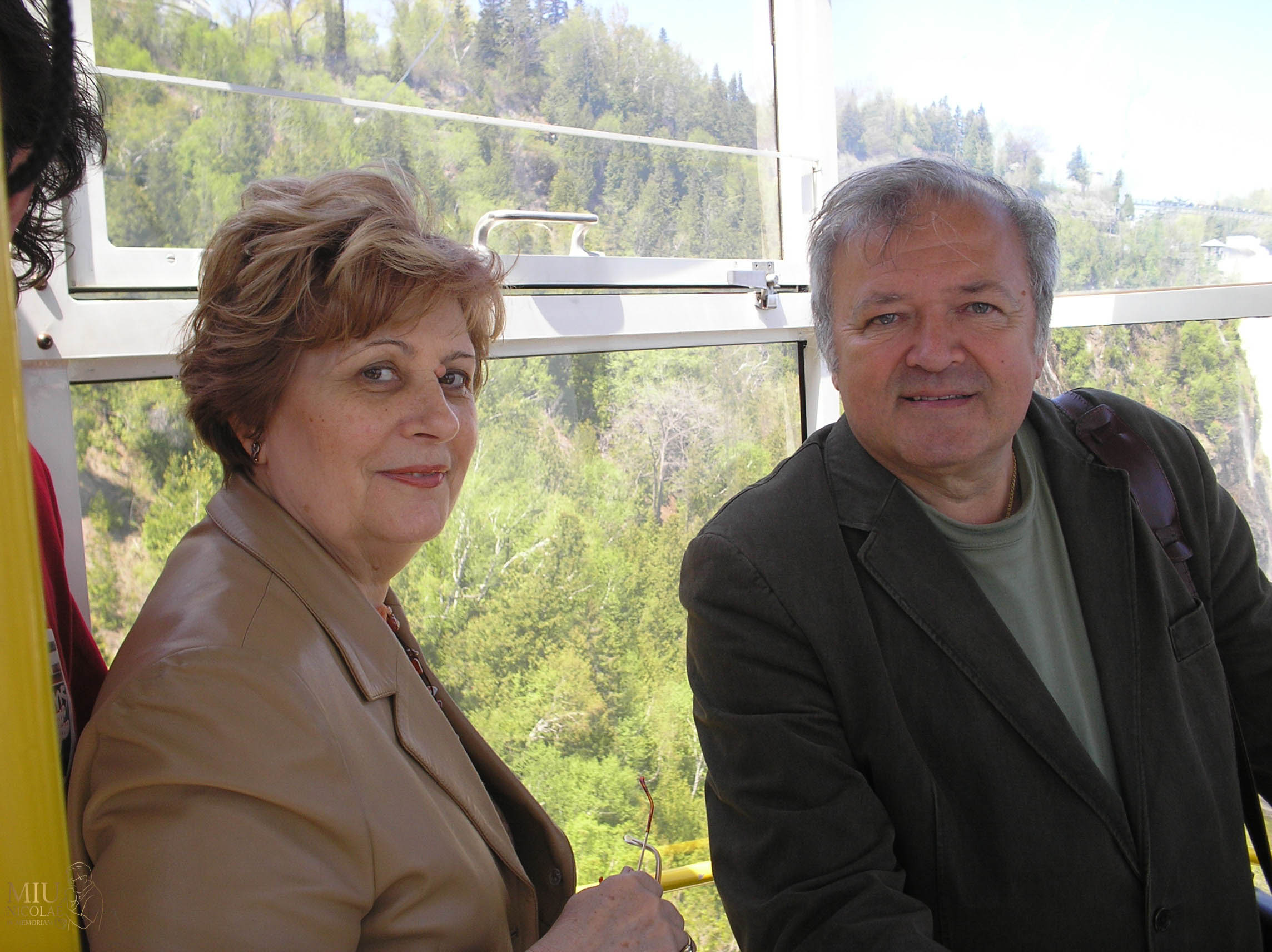
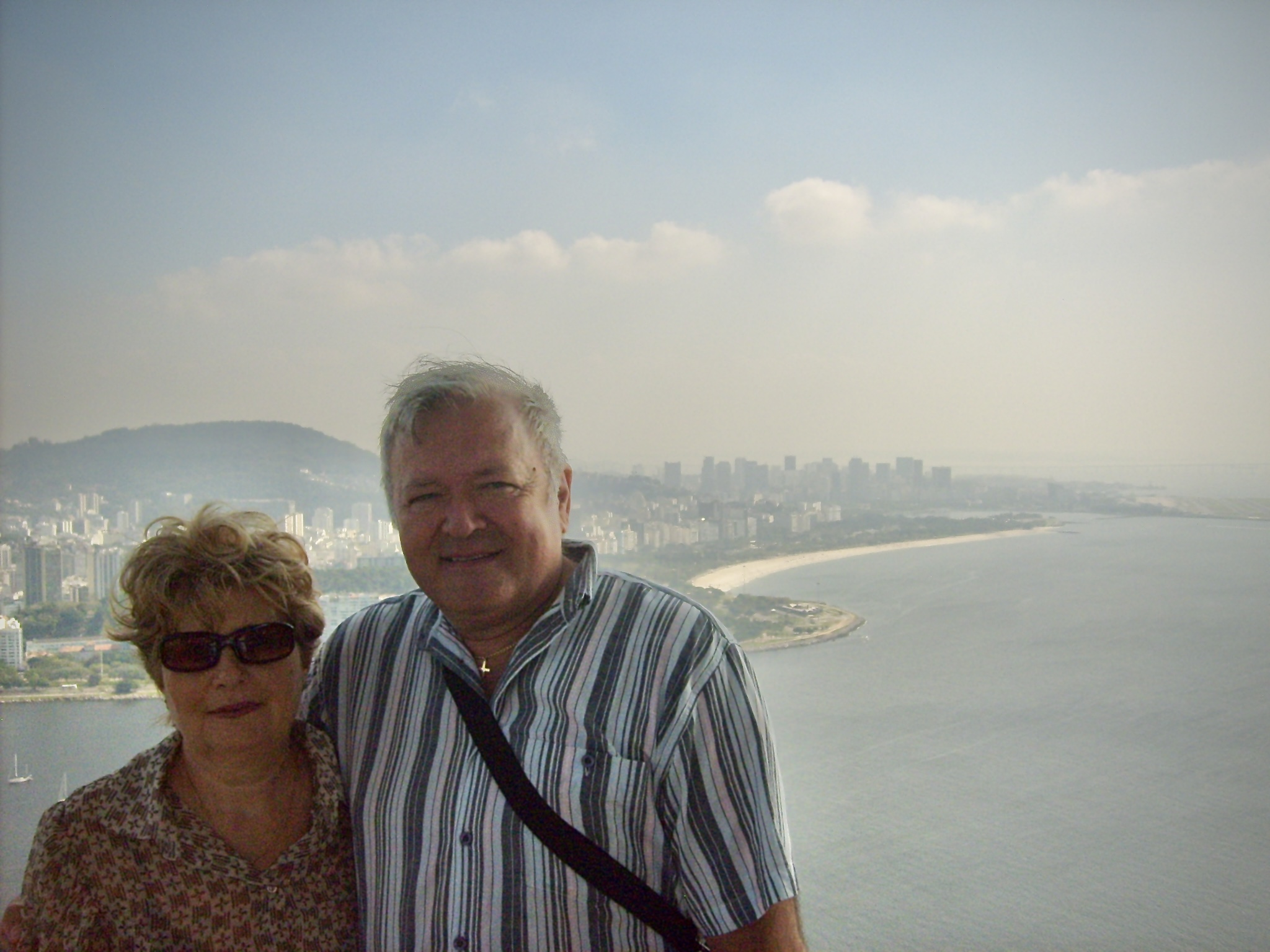
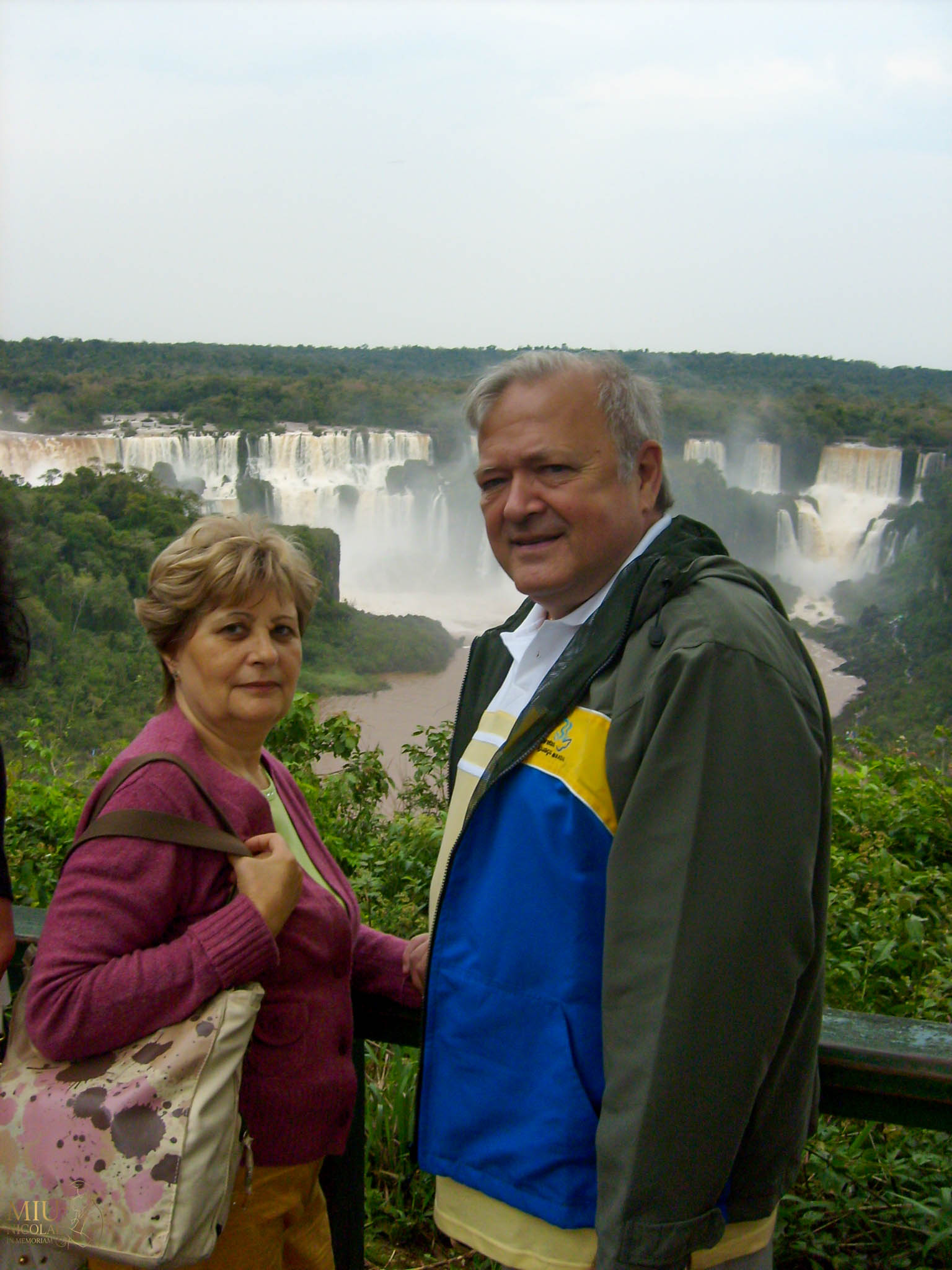
She met Nicolae Miu during her university years, in a way that only university hospitals and clinics can bring about: he was a sixth-year intern, she a fifth-year student on her pediatrics rotation. The meeting was simple but definitive. They married in 1966, beginning a partnership—not just conjugal, but intellectual, professional, and spiritual—that would last over four decades.
The first opera they attended together was Puccini’s La Bohème on the stage of the Romanian Opera in Cluj. A coincidence full of charm, considering that La Bohème was the very opera in which Lya Hubic, the great soprano whom Nicolae Miu had adored since childhood, had made her debut.
The Career
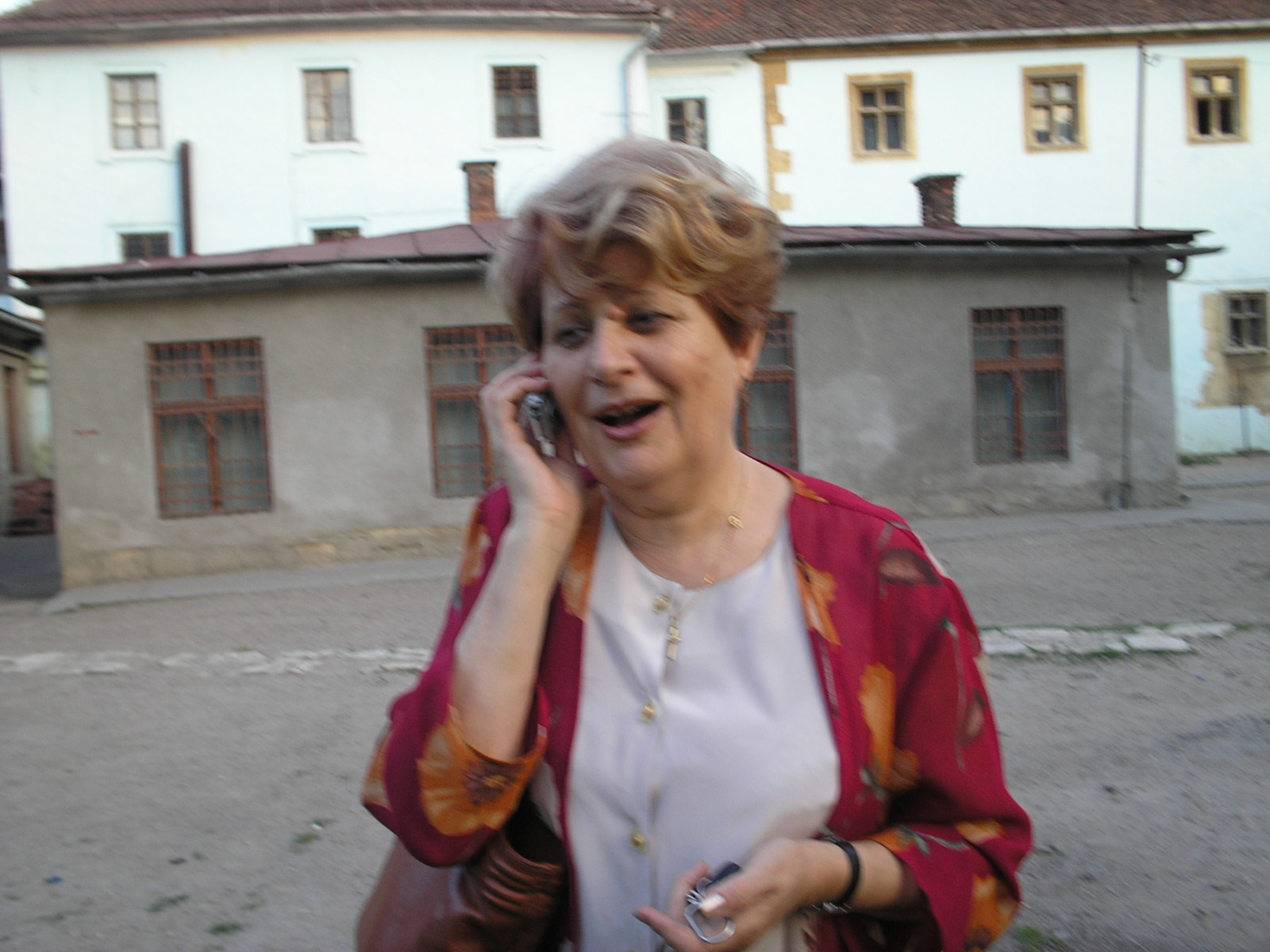
Aurora Miu chose ophthalmology—a specialty that demands precision, patience, and a keen clinical eye, qualities she possessed in abundance. She became a Primary Ophthalmologist and dedicated herself especially to pediatric ophthalmology, a field where the examination of a child’s eye can reveal not only local conditions but also systemic diseases, congenital infections, or hidden neurological pathologies.
She was active at the Polyclinic on Calea Moților (today the Integrated Ambulatory of the Clinical Hospital of Infectious Diseases), during a period when polyclinic doctors were often the first to see the patient and the last to give up on them. She later collaborated with several medical offices in Cluj, including the OPTICRIS center—where, in a document from 1996, she appears alongside prestigious colleagues of Cluj ophthalmology, such as Col. Dr. Ioan Horge, Dr. Rodica Onțiu, and Dr. Nicolae Marian.
But her most important organizational achievement was the creation of the Ofta-Ped office at 41 Porumbeilor Street, alongside her husband. The name says it all: Ofta from ophthalmology, Ped from pediatrics. It was a unique formula in Cluj—an office where the child was viewed simultaneously through the eyes of a pediatrician and an ophthalmologist, a family and professional collaboration that brought two complementary expertises under the same roof. The office became a landmark for families in Cluj and beyond, and many parents remember the Miu team as a place where the child was in safe hands, regardless of the diagnosis.
She would have liked to pursue ophthalmic surgery—she had the steady hand and precise temperament required by the operating room. However, life led her to the clinical side, particularly toward pediatric ophthalmology, where she excelled. She did not follow the university path, but she had publications and scientific collaborations, especially at the intersection of ophthalmology and pediatrics. Her name appears in studies regarding toxoplasmic chorioretinitis and the diagnosis of congenital infection with Toxoplasma gondii, works in which she collaborated with Nicolae Miu and other authors—proof that her clinical activity also had a research dimension, even if not formally academic.
The Foundation of the Family
If Professor Nicolae Miu was the visible peak of an exceptional career, Aurora Miu was the foundation upon which everything was built. This should not be understood as a subordinate role—on the contrary. She was the engine of the family, the one who set in motion everything that needed to function: the house, the children, the grandparents, the medical office, the relationships, the balance. In a couple where the husband was absorbed by the duties of a Dean, international congresses, writing treatises, and cultural appearances, someone had to ensure that daily life went on. That someone was Aurora.
She always thought of others before thinking of herself. She ensured everyone had everything they needed. She cooked, brought food, organized, and anticipated needs that others were not yet even aware of. She was the impeccable hostess of the Miu household—a home through which passed personalities of Cluj’s medicine, music, and culture. She was the first reader of her husband’s works, his confidant in moments of professional uncertainty, and the calm voice that restored proportion when the pressure of academic life became too great.
Prof. Mircea Gelu Buta, a close friend of the family, wrote about them in the magazine Viața Medicală: “It would be an injustice if we viewed Professor Nicolae Miu separately from his life partner, Aurora Miu, a reputed ophthalmologist. Together, they formed a pair of bright and intelligent beings who complemented one another, completing each other harmoniously.”
Mother and Grandmother
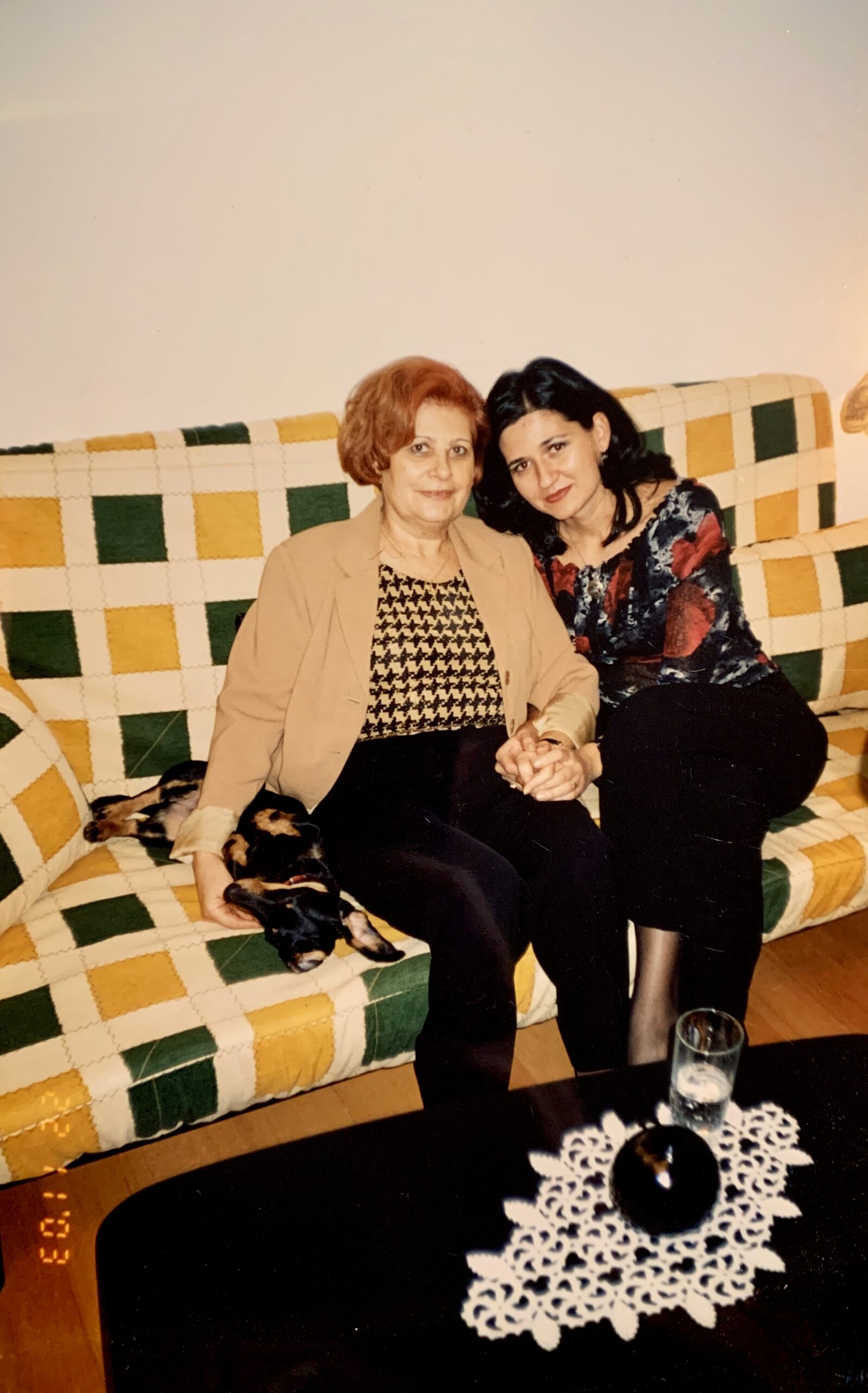
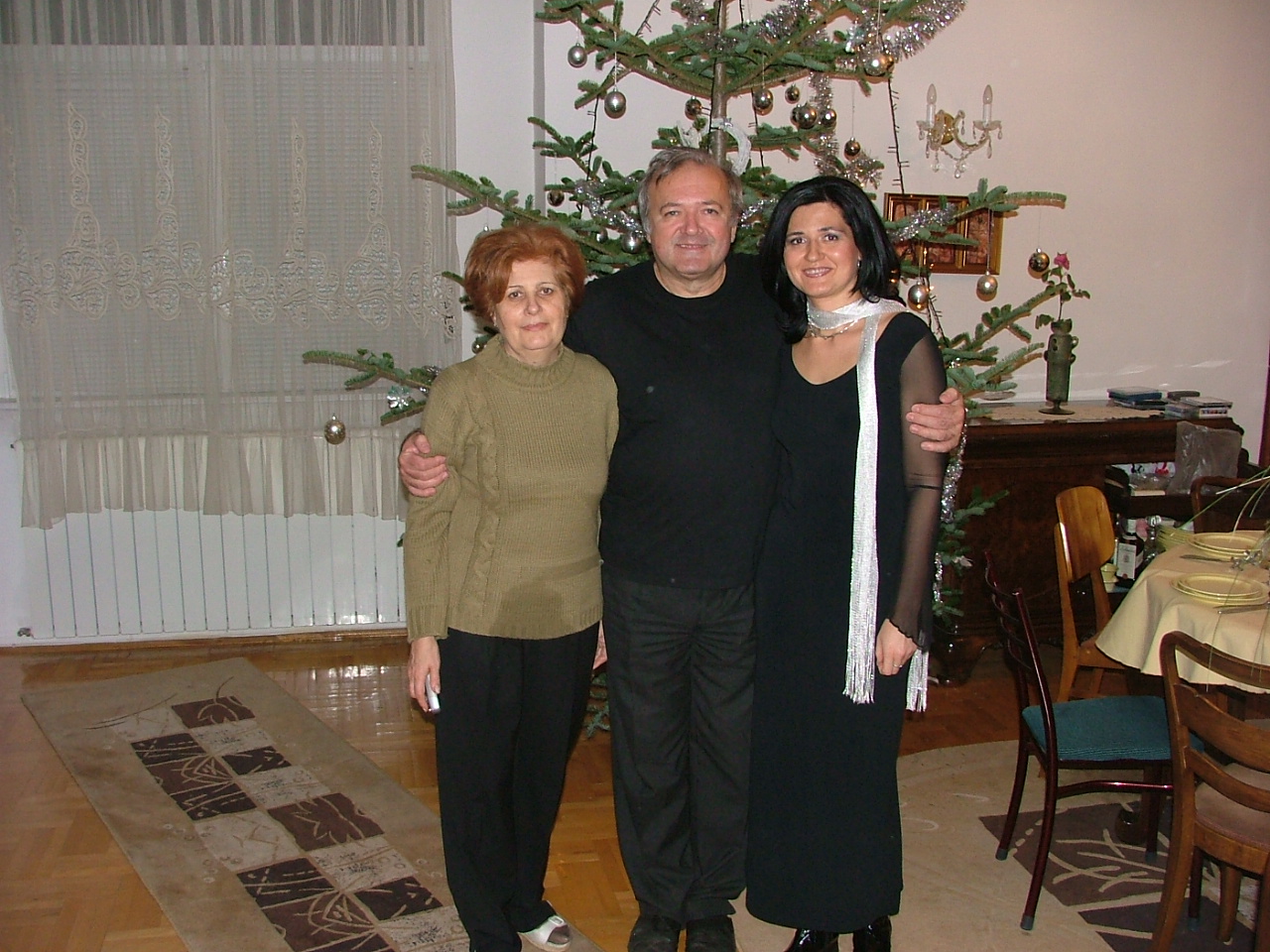
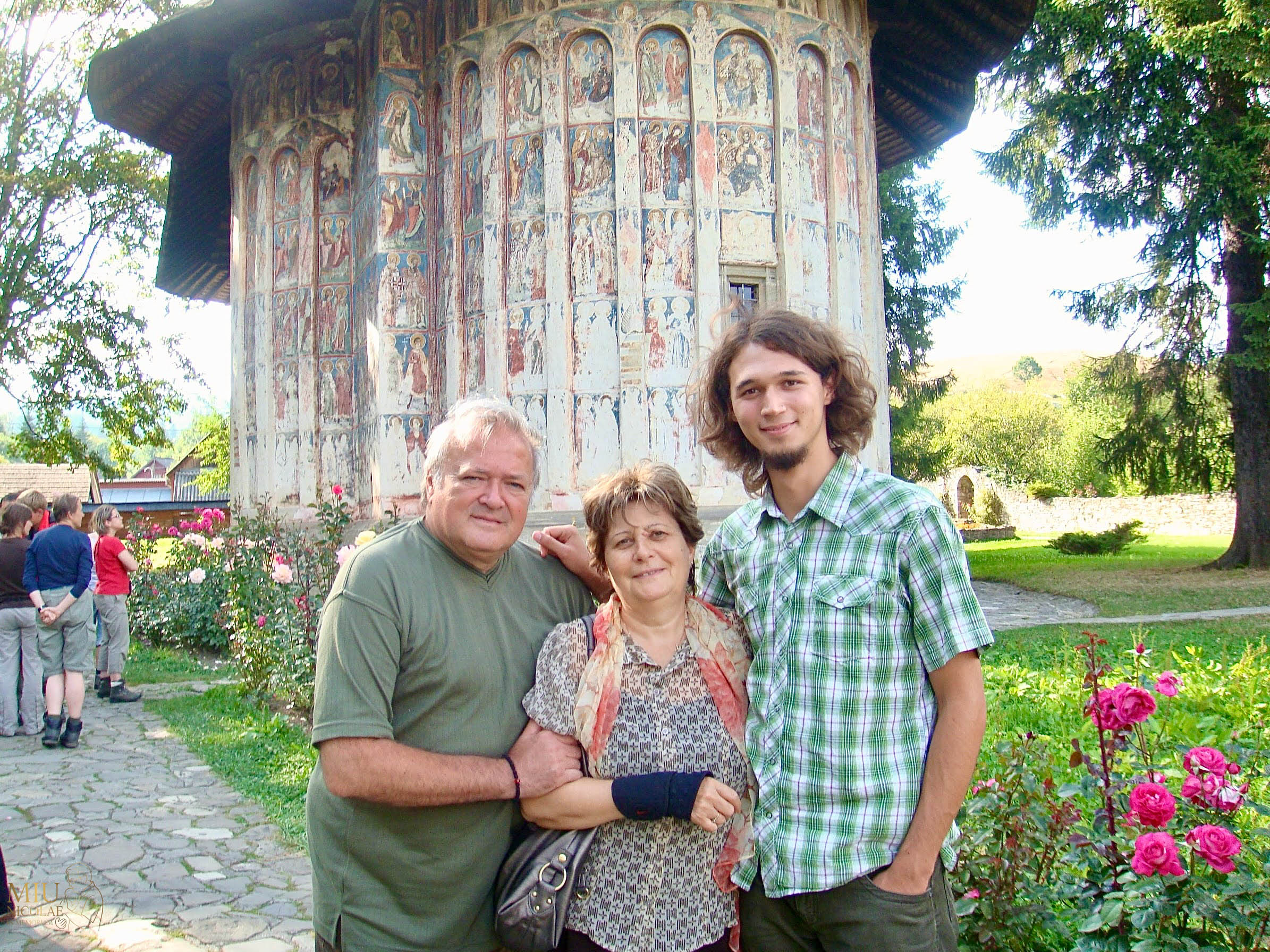
Aurora and Nicolae Miu had two children: Bogdan Ioan and Daniela Aurora. Daniela would become a university faculty member at UMF Cluj, Head of the Biophysics Discipline, and married Dr. Dan Eniu. Bogdan Ioan followed the path of physiotherapy.
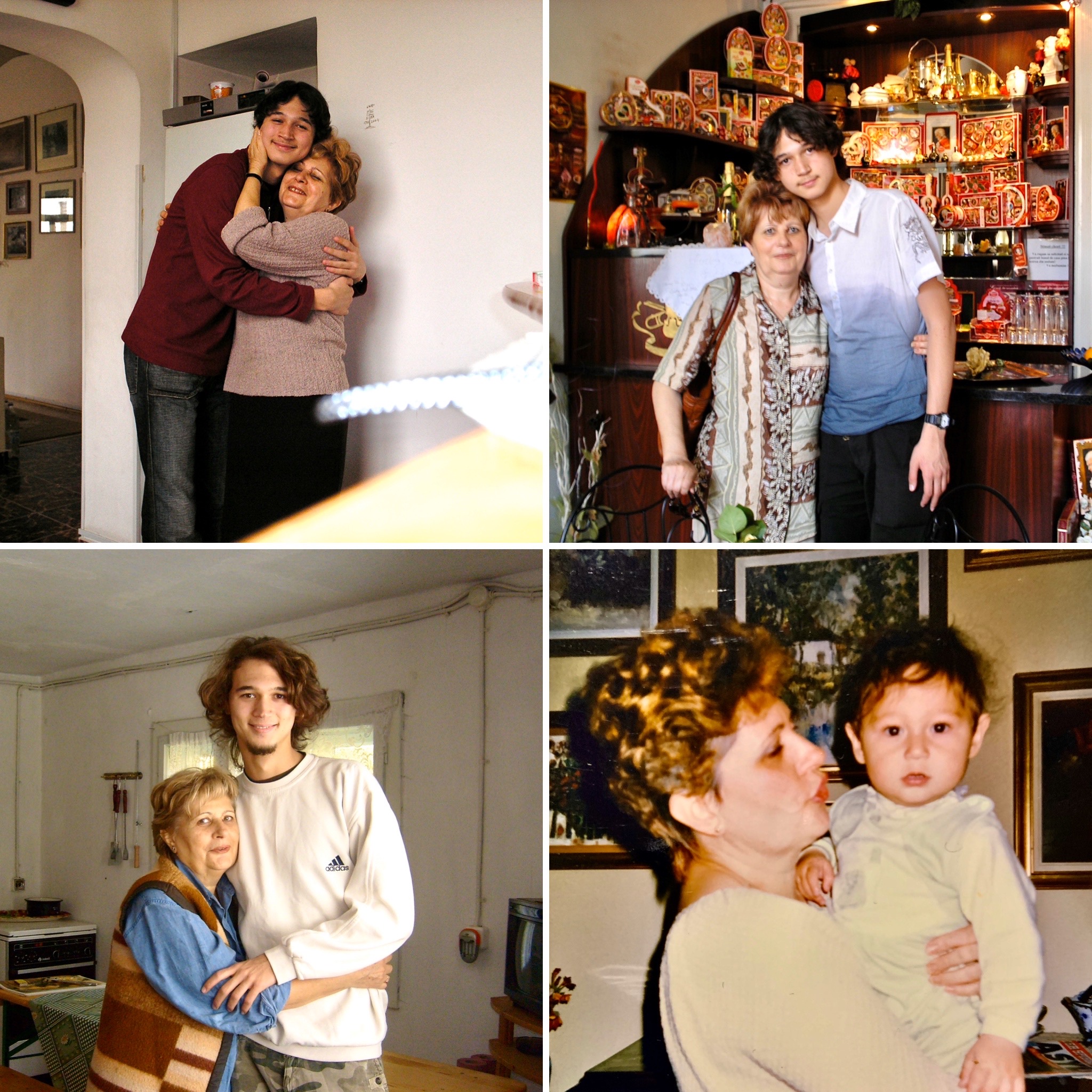
As a mother, Aurora raised the children with rigor and love, transmitting to them the values of hard work, respect, and care for others. As a grandmother, she was a luminous and warm presence for her grandchildren Vlad, Mihai, and Mira, who affectionately called her “Mama Aura.” If the grandfather was the source of academic stories, music, and grand visions, the grandmother was the unconditional source of affection, emotional stability, and practical wisdom.
She had a special relationship with her first grandson, Vlad. In fact, she was the first in the family to intuit that he would pursue medicine—and she acted accordingly, sending him to chemistry lessons to prepare him. This did not mean she didn’t support his musical passion as well—on the contrary, she accompanied him to his first piano masterclasses in Sibiu. But her doctor’s eye, accustomed to observing beyond the surface, saw in her grandson that certain something that announced a vocation. And she was not mistaken: Vlad would graduate from the Conservatory and obtain a doctorate in music, becoming a conductor, but then also follow Medicine, being today a resident in obstetrics-gynecology. Aurora did not live to see this fulfillment, but she knew, with her discreet certainty, that it would come.
Illness and Departure
In 2009, Aurora Miu fell seriously ill. Two years of struggle followed, during which Nicolae Miu cared for her with total, unwavering devotion, day after day. Those who knew the Professor said that in those years, a strength was discovered in him that no one suspected—the strength of a man who refuses to accept the loss of the other. But the illness was stronger.
Aurora Miu passed away in June 2011, and the funeral took place on June 22, at the chapel of the Mănăștur Cemetery in Cluj-Napoca.
After her death, Professor Nicolae Miu opened an invisible altar in his soul, a cult of memory that he officiated every day until, on January 4, 2024, he departed as well—”happy to find her again in the eternal world in which he fervently believed,” as their friend, Prof. Mircea Gelu Buta, wrote.
A Discreet Legacy
Aurora Miu never sought public exposure. She desired no titles, official recognitions, or applause. And precisely this discretion gives her a certain nobility: she was a doctor who earned respect through work, character, and the imprint left on the people she treated and loved.
Her legacy lives on in the eyes of the children she consulted and whose sight she preserved, in the family she built with care and dedication, in the grandchildren she raised with love and whose vocation she knew how to intuit, and in the memory of a city that has not forgotten her.
V.E.